15 Common Headlight Restoration Mistakes and How to Fix Them
Over‑Sanding
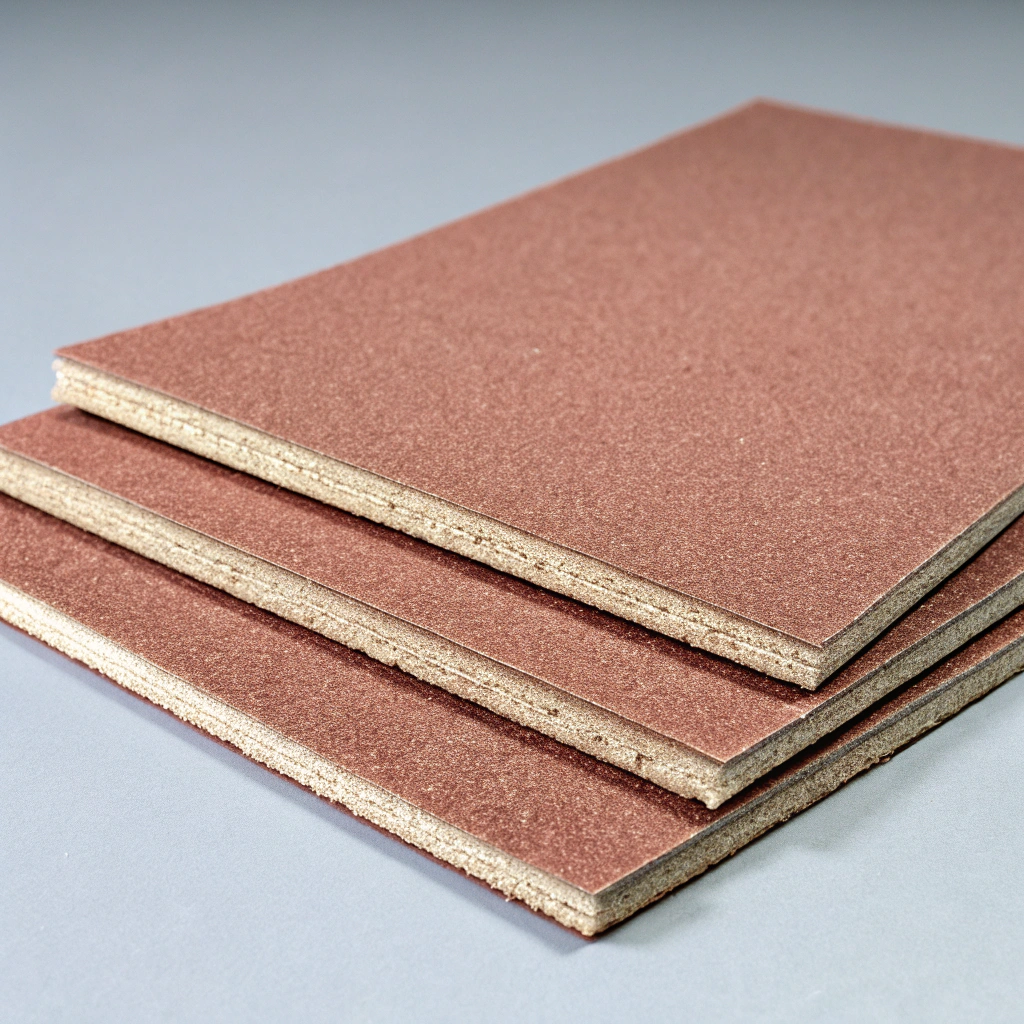
– Use a fine grit (e.g., 600) first, then progress to 800–1200.
– Fix: Re‑sand with a lower grit to remove scratches, then re‑polish.
Wrong Grit Progression
– Skipping intermediate grits leaves uneven surfaces.
– Fix: Follow a step‑by‑step sequence: 600 → 800 → 1200 → 2000.
Insufficient Water
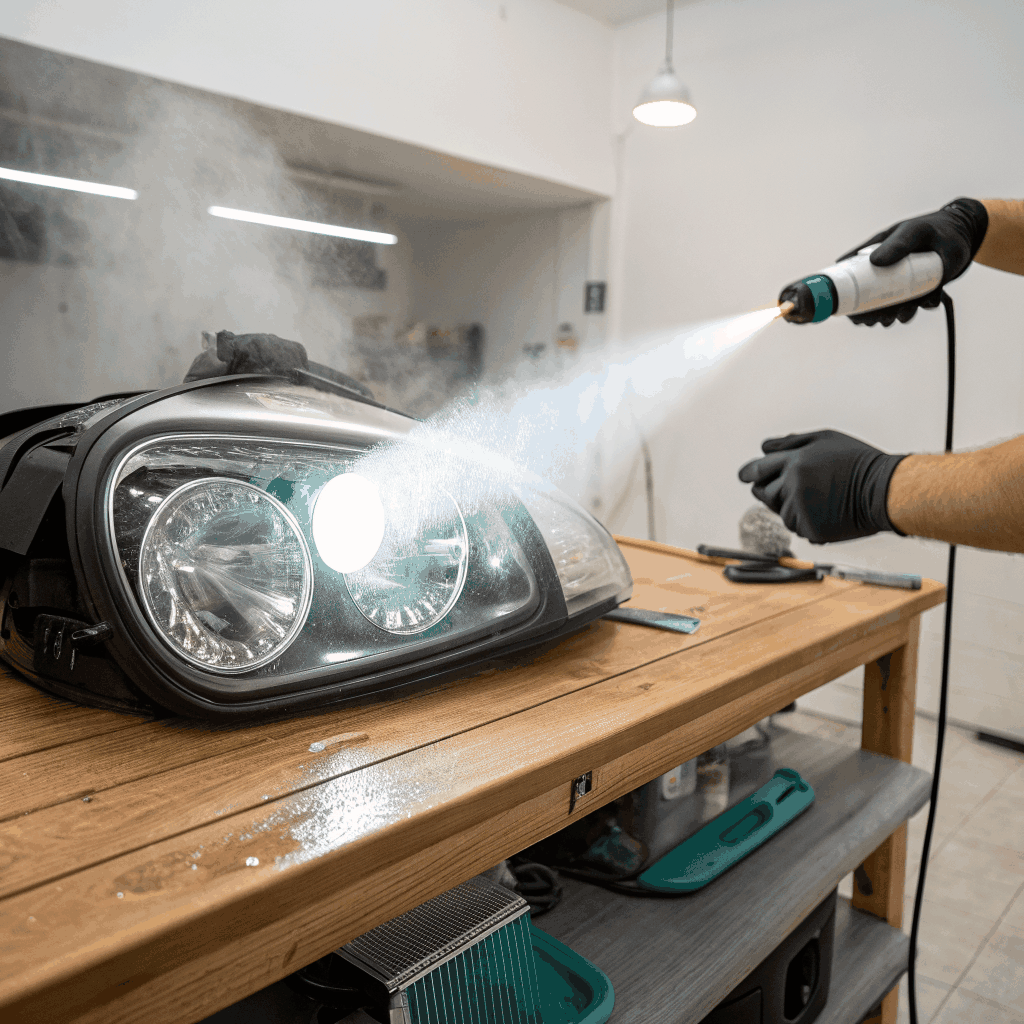
– Dry sanding causes heat buildup and scratches.
– Fix: Keep the headlight wet with a spray bottle throughout sanding.
Skipping Polishing
– Sanding alone leaves a dull finish.
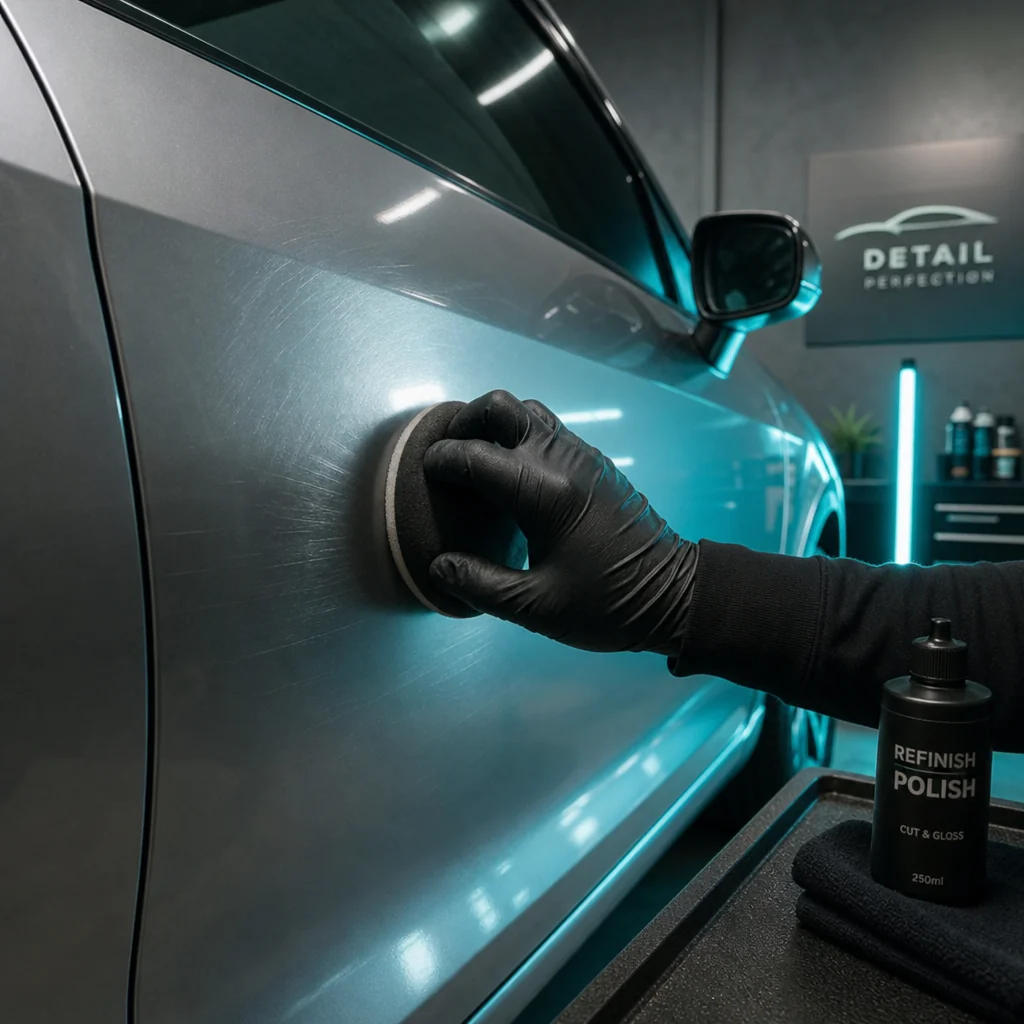
– Fix: Polish with a medium‑to‑fine compound, then a high‑gloss polish.
Poor UV Sealing
– Inadequate sealant lets moisture in, causing fogging.
– Fix: Apply a clear UV‑resistant sealant in thin, even layers.
Wrong Compounds
– Using a wax instead of a polish removes too much material.
– Fix: Choose a compound specifically designed for plastic restoration.
Rushing the Process
– Quick work increases the chance of scratches.
– Fix: Allocate sufficient time for each step; quality beats speed.
Inadequate Masking
– Paint or trim can get damaged during sanding.
– Fix: Use painter’s tape and a protective film around the headlight.
Uneven Application
– Thick layers of polish or sealant cause streaks.
– Fix: Apply thin, even coats and let each layer dry fully.
Plastic Type Misidentification
– Some headlights are polycarbonate, others ABS.
– Fix: Identify the plastic type and use the appropriate restoration kit.
Improper Equipment
– Using a handheld sander on a large headlight spreads uneven pressure.
– Fix: Employ a rotary tool with a proper sanding pad.
Skipping the Final Clean
– Residual grit can scratch the finish.
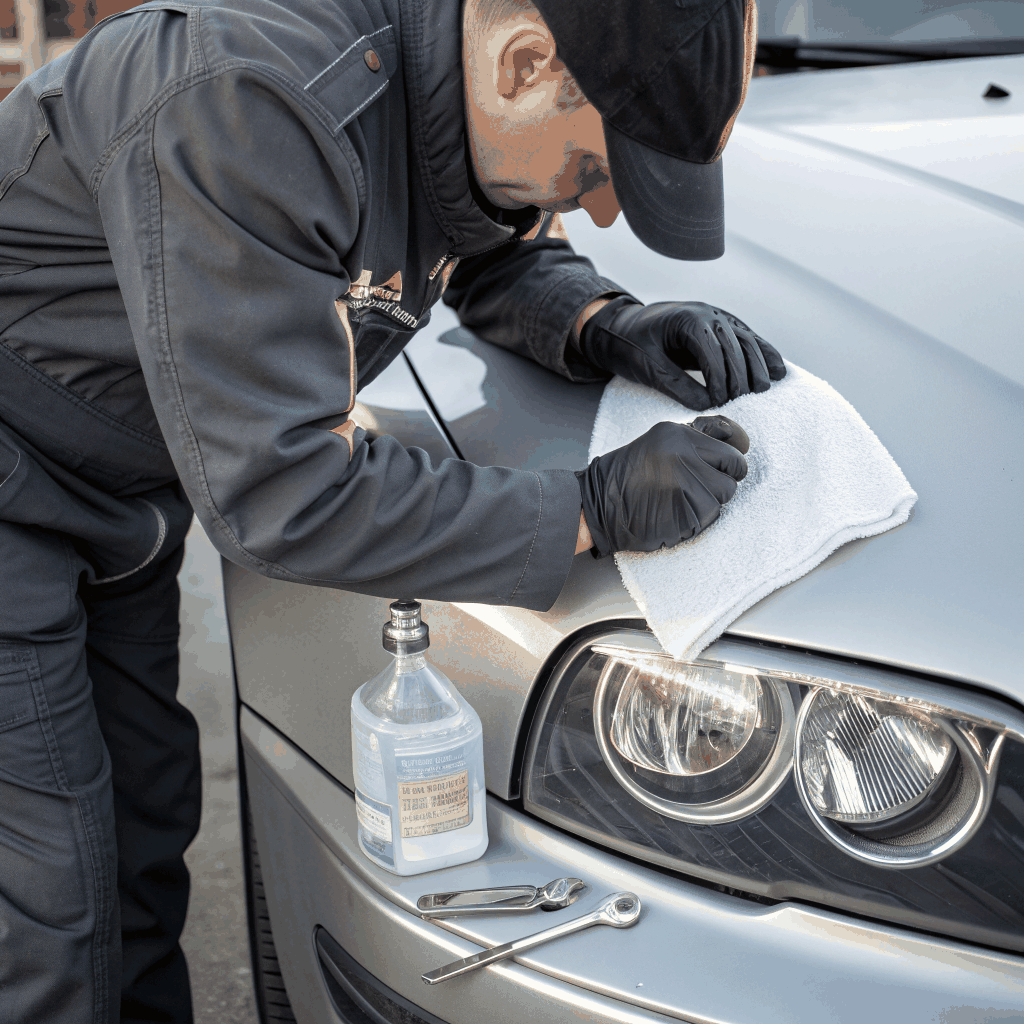
– Fix: Rinse thoroughly and wipe with a microfiber cloth.
Not Using a Light Box
– Hard to see micro‑scratches without proper lighting.
– Fix: Use a light box or a flashlight angled at 45° for inspection.
Ignoring Environmental Factors
– Restoring in a dusty or hot environment degrades results.
– Fix: Work in a clean, cool, well‑ventilated area.
Failing to Document the Process
– Without a record, repeat mistakes are likely.
– Fix: Take before/after photos and note the steps taken for future reference.