Essential Safety Guide for Headlight Restoration Work
Protecting yourself while restoring headlights is as important as restoring the lights themselves.
Below is a concise, practical checklist that covers respiratory protection, chemical safety, ergonomics, and OSHA compliance.
Respiratory Protection
- Use a certified respirator (e.g., N95 or P100) when sanding or applying solvents.
- Ventilate the workspace: open windows, use a fume extractor, or work in a well‑drafted area.
- Replace filters after each session or if you notice a drop in airflow.
Chemical Safety
- Read every product label for hazards and first‑aid measures.
- Store chemicals in a cool, dry place, away from direct sunlight and heat sources.
- Keep a spill kit (absorbent pads, neutralizing agent, PPE) within arm’s reach.
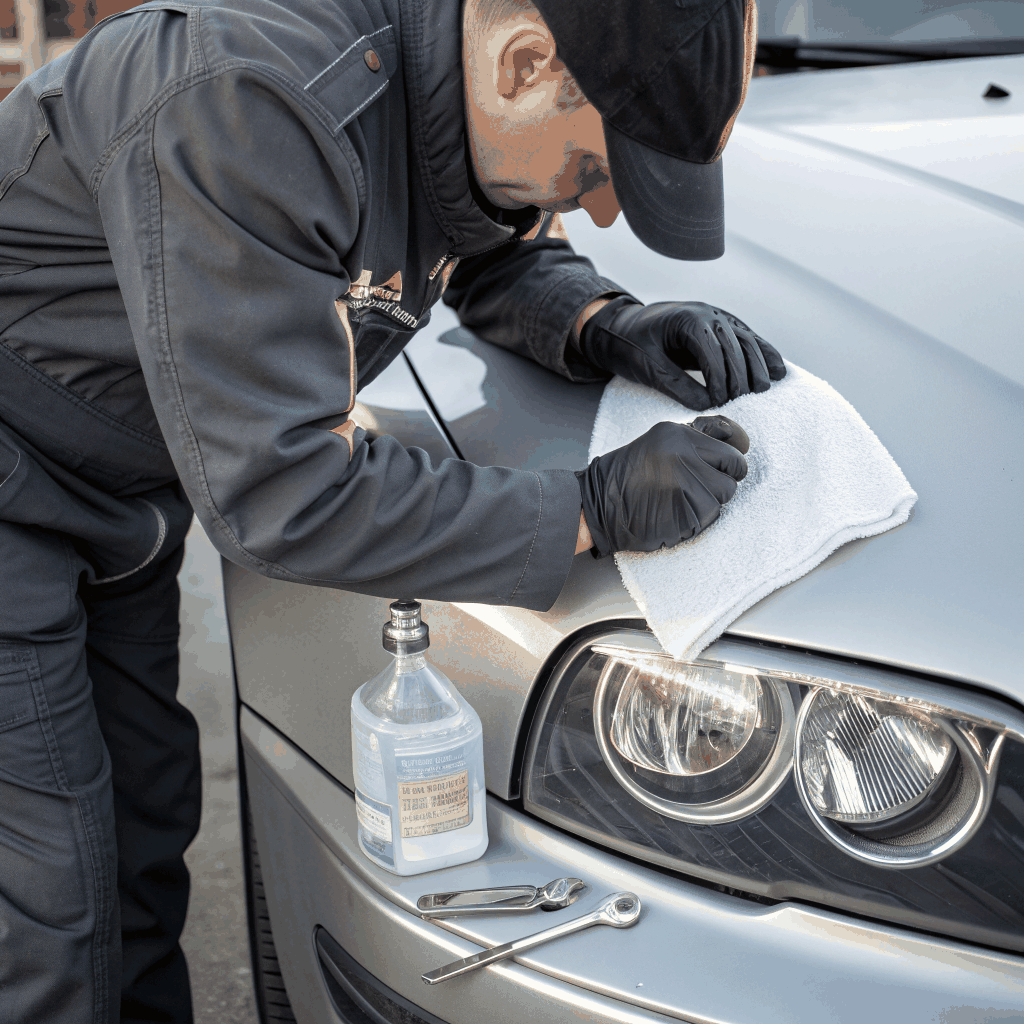
- Use gloves rated for the chemicals you’re handling—nitrile for most solvents, neoprene for stronger acids.
Eye Protection
- Wear safety goggles with side shields to guard against dust and splashes.
- Consider a face shield when using abrasive tools or high‑pressure sanders.
- Check goggles for scratches before each use; replace if damaged.
Ergonomics & Workstation Setup
- Position the workbench at elbow height to reduce strain on shoulders and wrists.
- Use anti‑fatigue mats if you’ll be standing for extended periods.
- Keep tools within easy reach to avoid repetitive twisting or reaching.
- Take short breaks every 45–60 minutes to stretch and rest your eyes.
OSHA Compliance
- Follow OSHA’s Hazard Communication Standard (HCS): keep SDS sheets handy and label all containers.
- Implement a written safety plan that includes emergency procedures for chemical spills and fire.
- Provide training for all employees on PPE use, chemical handling, and safe work practices.
- Maintain a record of incidents and conduct regular safety audits.
Stay safe, stay compliant, and keep those headlights shining bright!